
ドラッグストア
What Tokyo actually buys
The drugstore, not the department store counter. What moves in volume in Japan, why the formulations feel different, and what earns room in the bag.
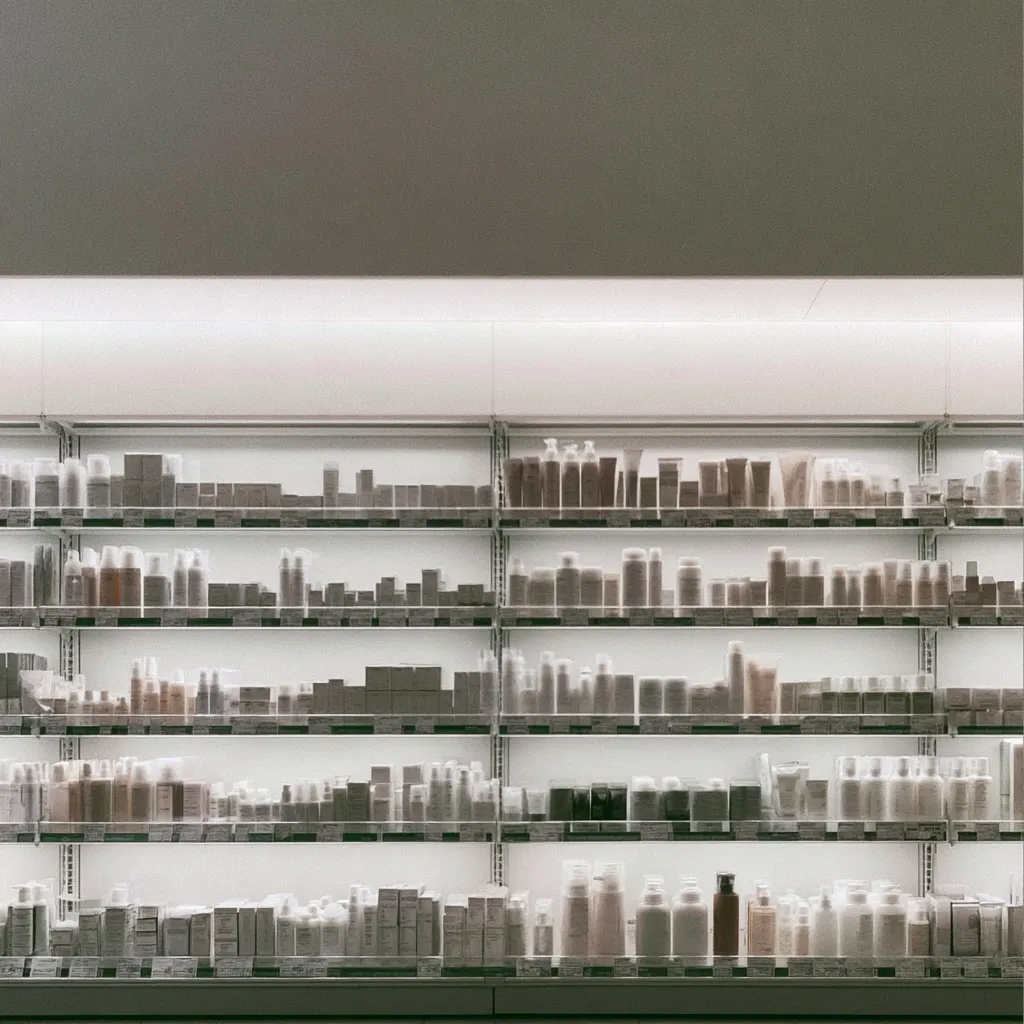
The department store floor gets the photographs. The drugstore does the volume. Matsumoto Kiyoshi, Sundrug, Welcia — fluorescent, several floors, open late, and holding more skincare than most Western cities stock in total. This is where the country actually shops, and the shelf says more about Japanese skincare than any campaign does.
Three things stand out.
Sunscreen is a daily product, not a beach product. It sits near the door, all year, in fluid textures that disappear rather than sit on top of the face. The reason people fill a suitcase with it has little to do with the SPF number. It is that the textures are pleasant enough to wear every day — which is the only thing that has ever made sunscreen work.
“Lotion” means something else here. 化粧水 — keshōsui — is a watery step used after cleansing, closer to what the West eventually started calling an essence. Not a toner in the astringent sense. Hydrate first, then seal it in. The sequence is the point.
There are fewer steps than advertised. The ten-step routine is largely an export. What sells in volume is cleanse, hydrate, seal, protect — and a great many single products doing more than one job.
None of which requires a flight to understand. It does make a fairly plain case for a short range that people actually finish.
More notes
覚書

白きくらげ
Why tremella holds 500× its weight in water
The science behind the mushroom we keep coming back to.
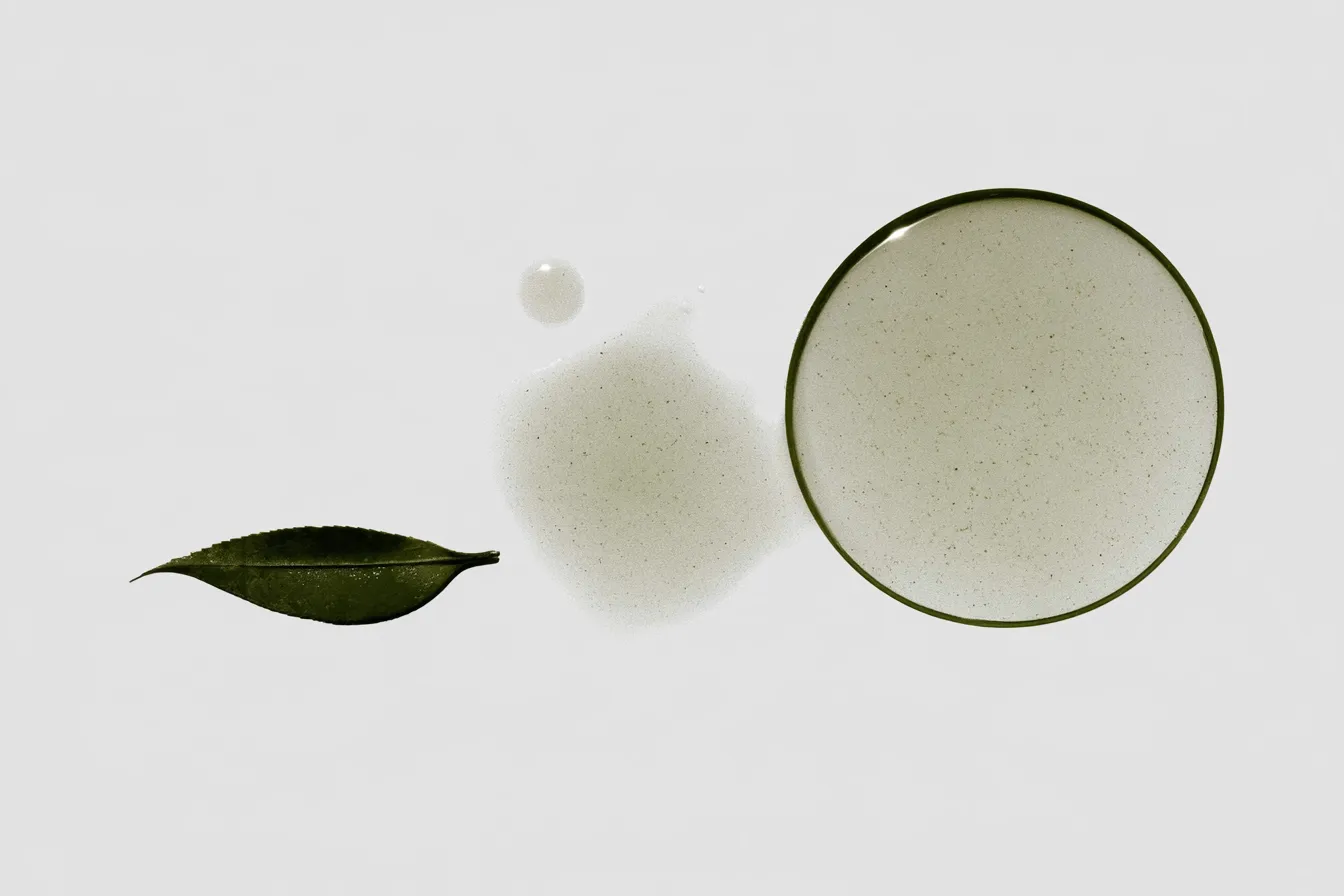
椿
Three camellias
One genus, three ingredients, three of four formulas. Not a coincidence.

米ぬか
Rice, long before it was a skincare ingredient
Sake brewers noticed something about their hands. What survives scrutiny.